This page can be found at: www.scri.ac.uk
Skip to content¦

Integrated Farm Management

Integrated Farm Management (IFM) involves:

  • a commitment to good husbandry and animal welfare
  • efficient soil management and appropriate cultivation techniques
  • the use of crop rotations
  • minimum reliance on crop protection chemicals and fertilisers
  • careful choice of seed varieties
  • maintenance of the landscape and rural communities
  • enhancement of wildlife habitats
  • a commitment to team spirit based on communication, training and involvement.

Image of the Integrated Farm Management wheel

At SCRI we undertake research on sustainable agriculture which meets the needs of LEAF farmers and policy makers, by developing and promoting  the principles of IFM under the following headings.

Photograph of visitors to SCRI learning about LEAFPR and marketing

Communication and Information Services activities, for example LEAF Open Days, Open Farm Sunday, school visits, publications on biodiversity, sustainability and climate change.

Photograph of a foxOrganisation and planning

All aspects of research and farm management at SCRI are planned in an integrated way by researchers and farm staff and includes LEAF and Farming and Wildlife Advisory Group (FWAG) audits.

Photograph of a tractor ploughing a fieldSoil management

The Environment Plant Interactions programme conducts a range of research on plant-soil interactions, including tillage, nutrient uptake and fertiliser use.


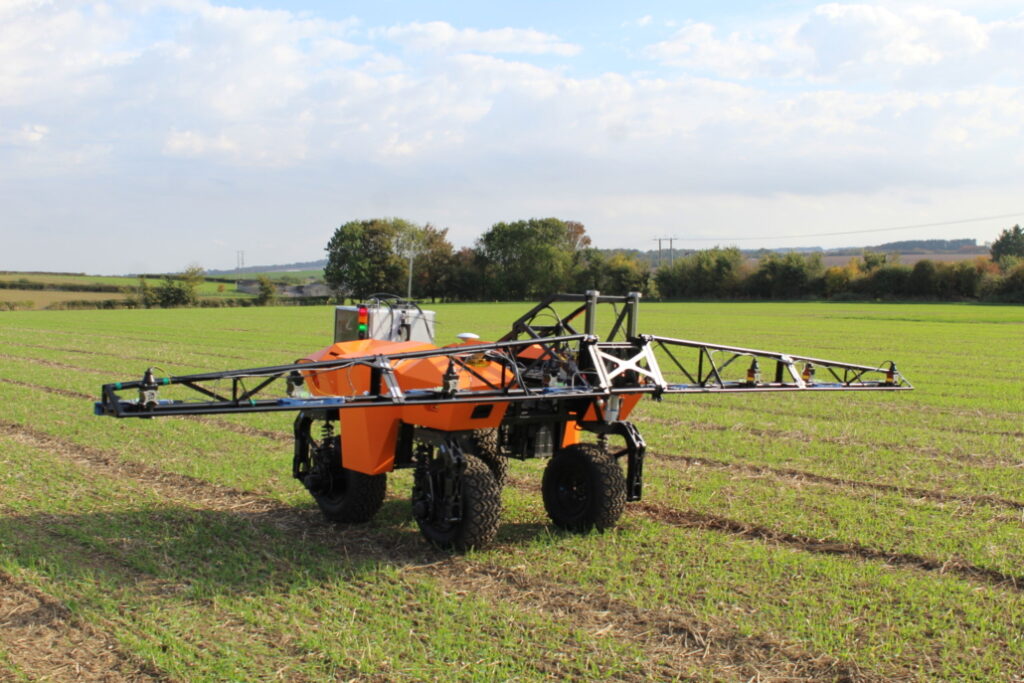
Image of crop sprayingCrop protection

The Environment Plant Interactions, Plant Pathology and Genetics programmes carry out research aimed at minimising pesticide inputs and providing sustainable pest and disease control.

Image of visitors learning about crop trials at SCRI

Energy efficiency

The Environment Plant Interactions and Genetics programmes are researching the optimisation of plant resources (for example, water and nitrogen) by breeding new varieties and using IFM principles.

Photograph of the Campbell-Stokes sunshine recorder at SCRIPollution control

The Environment Plant Interactions, Genetics and the Plant Products and Food Quality programmes are researching ways of minimising the run off of fertilisers from fields into water catchment areas, studying the impact of climate change on a range of crops and developing ways to reduce its impact.

Photograph of moths on a teasel flowerWildlife and landscape management

Environment Plant Interactions are studying the effect of farm management and climate change on biodiversity and developing ways of enhancing ecological services, for example biological control, pollination and soil fertility.

Habitats

An important part of IFM is providing a range of habitats for wildlife on farms. These habitats provide food and shelter for a wide variety of different species, for example birds, insects and mammals. SCRI is actively developing these habitats and has the following on its farm:

Photograph of wild plant strips between fields

  • water margin
  • mixed woodland
  • grass set-aside
  • extended hedges
  • species-rich grassland
  • grassland management for birds
  • mixed hedges
  • amenity trees
  • dyke restoration
  • wild plant strips.